Limit switches play a crucial role in industrial and automated systems by ensuring safe and accurate position detection. Maintaining them properly helps improve reliability, reduce unexpected downtime, and enhance operational efficiency. A well-planned maintenance approach can significantly extend their lifespan and ensure consistent performance under varying working conditions.
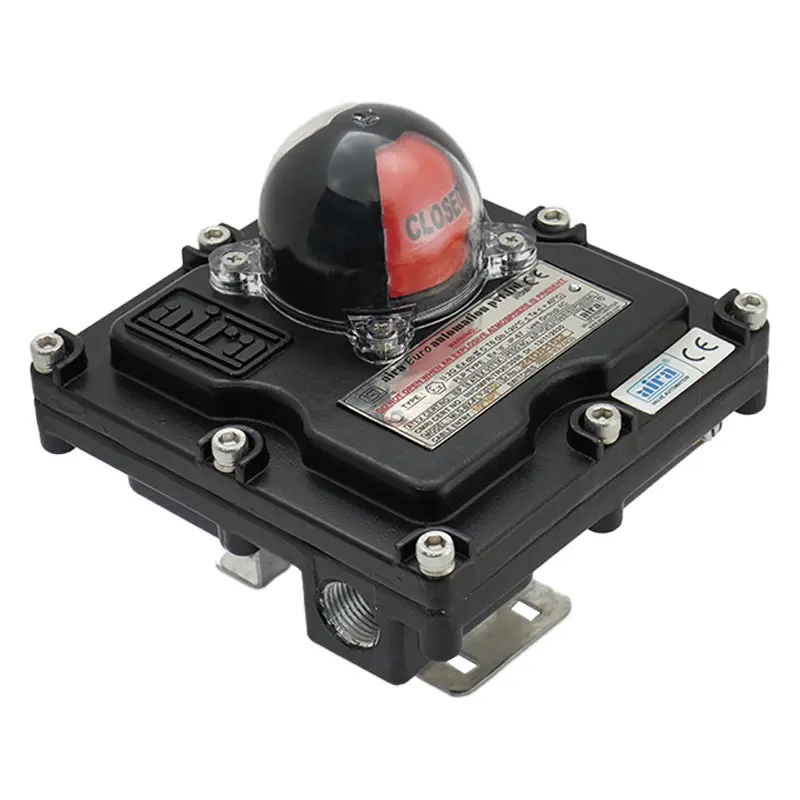
Importance of Proper Maintenance for Limit Switch Longevity
Proper maintenance ensures smooth functioning and reduces wear over time. It also helps maintain accuracy and prevents mechanical or electrical failure.
- Enhances operational reliability and consistency
- Reduces risk of unexpected system interruptions
- Improves safety in automated processes
- Extends service life of components
- Maintains precision in position detection
Routine Inspection Practices
Regular inspection helps identify early signs of wear or damage before they develop into major issues. Workshops frequently teach what is a limit switch to improve understanding of industrial automation and safety functions clearly.
- Check actuator movement for smooth operation
- Observe housing for cracks or physical damage
- Inspect mounting stability to avoid vibration issues
- Ensure no loose fittings or misalignment
- Verify response accuracy during operation cycles
Cleaning and Environmental Protection
Keeping limit switches clean and protected from harsh environments is essential for long-term efficiency.
- Remove dust and debris using safe cleaning methods
- Ensure protection against moisture and humidity
- Avoid accumulation of industrial residues
- Use protective enclosures when needed
- Maintain a clean surrounding workspace
Mechanical Care and Alignment
Proper mechanical alignment reduces unnecessary stress on the switch components.
- Ensure correct actuator positioning
- Avoid excessive force during operation
- Maintain alignment with moving parts
- Reduce mechanical shock during operation cycles
- Check for wear on moving interfaces
Electrical Connection Maintenance
Stable electrical connections support reliable signal transmission and system performance.
- Tighten loose wiring connections periodically
- Inspect terminals for corrosion or oxidation
- Ensure proper insulation of cables
- Avoid overloading electrical circuits
- Confirm consistent signal response during checks
Operational Best Practices
Good operational habits help reduce stress and extend component life.
- Avoid repeated unnecessary triggering
- Operate within recommended load limits
- Ensure smooth machine movement without abrupt stops
- Monitor system feedback regularly
- Train operators for careful handling practices
Preventive Maintenance Strategy
A proactive approach ensures long-term efficiency and reduces unexpected failures.
- Schedule regular functional testing
- Replace worn components before failure occurs
- Keep maintenance records for performance tracking
- Monitor environmental conditions affecting performance
- Evaluate system efficiency periodically
Handling and Storage Practices
Proper handling and storage help maintain the integrity of limit switches during non-operational periods.
- Store components in dry and safe environments
- Avoid stacking heavy objects on devices
- Use protective coverings to prevent dust exposure
- Handle with care during installation and removal
- Ensure proper labeling for organized storage
Additional Efficiency Considerations
Consistent attention to operational conditions and preventive measures further enhances the overall reliability of limit switch systems.
- Improve system monitoring for better control
- Maintain consistent operational standards
- Reduce wear through optimized usage practices
By following structured maintenance practices, limit switches can deliver reliable and consistent performance over an extended period. Proper care not only improves durability but also enhances overall system efficiency, making operations smoother and more dependable.
Leave a Reply