Cannabis consumption patterns shaped by access education and trust

Cannabis consumption patterns do not form overnight. They develop gradually through repeated experiences, available access, and the level of trust adults feel toward the system around them. When access is unclear or information is limited, consumption often becomes inconsistent. Education and trust help replace that uncertainty with balance. Over time, these factors guide adults toward more controlled and intentional use.

Many adults notice their habits stabilizing after engaging with a marijuana dispensary, where access feels structured and information is easier to understand. This structured exposure encourages reflection rather than impulsive behavior. Consumption becomes less reactive and more aligned with personal comfort and lifestyle needs.

Role of regulated access in habit formation

Access influences behavior more than many people realize. When cannabis is available through clear and regulated channels, adults are less likely to rush decisions or overconsume. Stable access removes the pressure of scarcity, which often leads to excess.

Cannabis

Regulated access supports routine. Adults begin to plan rather than react. This planning encourages moderation and helps cannabis fit into life without disrupting responsibilities or well being.

Trust influencing comfort and consistency

Trust affects how relaxed adults feel about their choices. When trust is present, hesitation decreases. Adults feel more confident repeating patterns that have worked for them in the past.

Consistent trust supports consistency in use. Adults who trust the system are less likely to experiment unnecessarily or switch habits frequently. This stability helps consumption remain predictable and manageable.

Reduction of impulsive behavior

Impulsivity often stems from uncertainty. When adults feel unsure about access or outcomes, decisions become rushed. Education and trust reduce this urgency.

Reduced impulsivity supports healthier patterns. Adults take time to reflect on why and when they consume. This reflection leads to better alignment between use and personal goals.

Long term balance through informed routines

Over time, access education and trust work together to create balance. Adults develop routines that feel natural rather than forced. These routines support moderation and reduce dependency risks.

Balanced routines also support self awareness. Adults notice when patterns shift and can adjust before habits become unhealthy. This adaptability supports long term well being.

Cannabis consumption patterns are shaped by access education and trust working together. Regulated access reduces urgency, education builds understanding, and trust supports confidence. When these elements align, adults experience cannabis as a controlled and intentional choice rather than an unpredictable habit. This balanced approach encourages safer consumption and supports long term comfort stability and personal responsibility.

Achieve Faster Market Reach with Professional Logistics Solutions

In today’s competitive global marketplace, speed and reliability define success. Businesses that move products efficiently gain a powerful advantage, reaching customers faster while maintaining service excellence. Professional logistics solutions are designed to streamline transportation, warehousing, and distribution, helping organizations scale confidently and respond to market demands with agility. By partnering with experienced providers such as logistics companies in canada businesses can unlock smoother operations and accelerate growth without operational complexity.

Driving Speed Through Smart Logistics Planning

Professional logistics solutions focus on intelligent planning and precise execution. Every step, from inventory management to final delivery, is optimized to reduce delays and improve visibility. This structured approach ensures that products reach target markets quickly, supporting faster launches and improved customer satisfaction. With data-driven routing, predictive scheduling, and coordinated supply chain processes, businesses can move beyond reactive shipping and adopt proactive logistics strategies that support long-term expansion.

Key Benefits of Professional Logistics Solutions

Modern logistics services offer a wide range of advantages that directly contribute to faster market reach:

  • Optimized transportation networks that minimize transit time
  • Centralized inventory control for improved stock availability
  • Scalable distribution models that adapt to business growth
  • End-to-end visibility for better decision-making
  • Consistent delivery performance that builds customer trust

These benefits work together to create a seamless flow of goods, enabling businesses to compete effectively in both regional and international markets.

Enhancing Efficiency Across the Supply Chain

Efficiency is the foundation of rapid market expansion. Professional logistics solutions integrate technology, expertise, and process optimization to eliminate bottlenecks across the supply chain. From automated warehousing systems to coordinated freight handling, each component is aligned to reduce handling time and operational costs. This integrated approach not only improves speed but also enhances accuracy, ensuring that shipments arrive as promised while maintaining high service standards.

Supporting Business Growth with Reliable Delivery

As businesses grow, logistics requirements become more complex. Professional solutions provide the flexibility needed to manage increased volumes, diverse destinations, and evolving customer expectations. Reliable delivery performance strengthens brand credibility and encourages repeat business, which is essential for sustainable growth. By outsourcing logistics to skilled professionals, companies can focus on core activities such as product development and market expansion, confident that their supply chain is operating at peak efficiency.

A Smarter Path to Faster Market Reach

Achieving faster market reach requires more than quick shipping it demands a well-coordinated logistics strategy. Professional logistics solutions combine expertise, technology, and reliability to help businesses move faster, operate smarter, and grow stronger. With the right logistics partner, organizations can confidently expand their footprint and meet market demands with speed and precision.

Explore Vibrant Public Spaces Comfortably Through a Free Walking Tour

Discovering the vibrant heart of a city can be an exhilarating experience. One of the most enjoyable ways to do this is through a free walking tour. These tours are designed to immerse visitors in the energy, culture, and beauty of public spaces, offering both comfort and insight. Whether you are a local seeking new adventures or a traveler eager to explore, a free walking tour can turn an ordinary day into a memorable journey. You’ll fall in love with the city while uncovering its secrets on free walking tours copenhagen.

Enjoy the Freedom of Exploration

Walking tours offer an unmatched sense of freedom. Unlike structured excursions, you can wander at your own pace, taking in every detail that catches your eye. The relaxed pace allows you to:

  • Observe the lively interactions between people and the environment
  • Take photos of colorful murals, fountains, and architectural gems
  • Pause at street performances or pop-up markets

This flexibility ensures that every moment feels personalized; creating a connection to the space that is both genuine and unforgettable.

Immerse Yourself in Local Culture

Public spaces are often the cultural heartbeat of a city. Free walking tours provide opportunities to engage with the local atmosphere in a way that feels authentic and lively. Participants can:

  • Experience local traditions and customs up close
  • Interact with friendly vendors, artists, and performers
  • Discover hidden stories and fascinating histories behind iconic landmarks

By strolling through these areas, you gain a deeper appreciation for the uniqueness of each place, enhancing your travel experience without spending a dime.

Comfort and Accessibility for Everyone

One of the greatest advantages of a free walking tour is comfort. Most tours are designed to be accessible to people of all ages and mobility levels. Key benefits include:

  • Light walking routes suitable for leisurely exploration
  • Opportunities to rest in shaded parks, benches, and open plazas
  • A calm and safe environment that prioritizes enjoyment over rush

This focus on comfort ensures that everyone can participate fully and enjoy the beauty and vibrancy of public spaces.

Connect with Like-Minded Explorers

Joining a walking tour is also a social experience. It offers a chance to meet people who share a passion for discovery and culture. Highlights include:

  • Engaging conversations with fellow participants
  • Shared excitement over hidden gems and local art
  • Making lasting memories in a friendly, inclusive environment

These interactions often enrich the journey, turning a simple walk into a collective celebration of urban life.

A Sustainable and Rewarding Choice

Free walking tours promote sustainability by encouraging exploration without vehicles or extra resources. This eco-friendly approach not only benefits the environment but also fosters mindful travel habits. By choosing a walking tour, you enjoy:

  • Reduced carbon footprint while exploring
  • Enhanced awareness of your surroundings
  • A sense of fulfillment from connecting with both nature and urban life

Exploring vibrant public spaces through a free walking tour is an ideal way to combine comfort, culture, and community. With the freedom to move at your own pace, the opportunity to immerse yourself in local life, and the joy of connecting with others, every step becomes a moment to cherish. Embark on this journey, and let the city reveal its wonders in the most delightful and positive way.

Experience Professional Growth And Adventure Through Exciting Travel Nursing Jobs

Travel nursing offers healthcare professionals a unique opportunity to combine their passion for helping others with a love for exploration. It allows nurses to work in different medical settings, gain diverse experience, and enjoy personal and professional growth. This career path provides flexibility, adventure, and the chance to make a real difference across various healthcare environments. Beyond the excitement of new destinations, travel nursing enhances skills, builds confidence, and opens doors to rewarding experiences. It is not just a job it is a lifestyle that blends career development with the thrill of discovering new places and people.

travel nursing jobs

Expanding Professional Skills

Travel nursing exposes nurses to a variety of healthcare systems and patient care techniques. Each assignment helps them strengthen their expertise and adaptability.

Key advantages include:

  • Diverse clinical experience: Working in different medical units enhances technical and interpersonal skills.
  • Continuous learning: Exposure to new practices and technologies keeps nurses updated and confident.
  • Career advancement: Gained experience makes nurses more competitive in the healthcare field.

Flexibility and Freedom

One of the greatest benefits of travel nursing is flexibility. Nurses can choose assignments that fit their schedule and interests. This freedom helps create a healthy work-life balance.

Highlights include:

  • Customizable assignments: Select preferred locations, durations, and work settings.
  • Personal time management: Balance work with travel, relaxation, or family commitments.
  • Professional independence: Experience working in different environments while maintaining personal control over career choices.

Attractive Financial Rewards

Travel nursing is also known for offering competitive pay and benefits. The compensation reflects the level of skill and adaptability required.

Benefits often include:

  • High earning potential: Assignments frequently come with excellent pay rates.
  • Allowances and bonuses: Housing, travel, and completion bonuses can enhance total earnings.
  • Job security: The constant demand for nurses ensures consistent opportunities.

Adventure and Exploration

Travel nursing is not just about work it is also about adventure. Nurses can explore new cultures, cuisines, and communities during each assignment. Every assignment in travel nursing jobs offers new opportunities to learn, grow, and make a positive impact on patients.

Some exciting aspects include:

  • Exploring new regions: Every location offers fresh experiences and learning opportunities.
  • Meeting new people: Nurses connect with colleagues and patients from diverse backgrounds.
  • Creating lasting memories: The combination of travel and purpose makes each journey meaningful.

Building Personal and Professional Growth

Travel nursing challenges professionals to adapt, communicate, and lead in different settings. This fosters confidence, problem-solving skills, and emotional resilience.

Key takeaways:

  • Stronger adaptability: Learning to adjust quickly to new environments and teams.
  • Enhanced communication: Working with varied healthcare professionals sharpens collaboration skills.
  • Greater self-confidence: Every successful assignment boosts personal and professional self-assurance.

Travel nursing offers a rewarding mix of professional growth, financial stability, and personal adventure. It enables nurses to expand their skills, experience new environments, and enjoy meaningful career progression while exploring different regions. With flexibility, opportunity, and continuous learning, travel nursing stands as one of the most fulfilling paths in healthcare. For those seeking a dynamic and enriching career, travel nursing provides the perfect balance between purpose and exploration.

Expert the details on have Fake Rolex watches

rolex dupeThe Rolex GMT-Master II was presented as a better form of the GMT-Master, which had been sent off in 1954. The previous form was planned on the solicitation of Pan American Airlines. They needed a unique watch that could show the time in two different time regions all the while. Along these lines, the GMT-Master models highlight an extraordinary 24 hour hand and a bi-directional turning bezel that are intended to give the time in any double cross zones at the same time. GMT-Master II was sent off in 1983 as an improvement over the GMT-Master.

How is the GMT-Master II an Improvement over the GMT-Master?

Albeit the essential usefulness of the GMT-Master II is indistinguishable from the GMT-Master, the new model games the accompanying extra highlights:

* The GMT-Master II highlights a scratch safe engineered sapphire precious stone. The presentation of GMT-Master II prompted the manufactured sapphire gem being fitted to any remaining Rolex models.

* It is outfitted with the Bounce Hour highlight, which permits the ordinary hour hand to be set to an alternate time region without requiring any change of the 24-hour hand or bezel. You essentially unscrew the winding crown and turn it gradually, clockwise or counterclockwise. This will bounce the hour hand each hour in turn without influencing the activity of the moment or seconds hand.

* It includes an autonomously customizable hour hand.

* One of the most appealing elements of the GMT-Master models is their bezel. In all current GMT-Master II Models, another bezel style has been presented. Produced using a fake rolex hard and lovely artistic material, the new bezel shows exceptionally consumption safe and scratch-safe properties. The numerals engraved on this bezel are loaded up with gold to make them neater and to improve their general look and style.

* The GMT-Master II likewise includes bigger crown monitors.

* The new Trip lock winding crown is fitted into all presently accessible GMT-Master II models. Utilizing triple separate gaskets, it screws down like a nautical trapdoor and makes the watch more impervious to water and other unfamiliar particles. Interestingly, with this new Trip lock component, the Rolex model can endure water strain of over a large portion of a ton for every square centimeter

* The Blue Parachrom hairspring, an inventive amalgam, is an additional component found in GMT-Master II and is missing in the GMT-Master models. This has been probably the best advancement of Rolex lately. This component has made the watch incredibly impervious to attractive fields and shocks, hence upgrading execution in all conditions.

* The treated steel variants of Rolex GMT-Master II utilize an exceptionally erosion safe tempered steel compound, 904L. Appropriate for brutal circumstances, it is additionally rich.

Obviously, the Rolex GMT-Master II is a distinct improvement when contrasted with the GMT-Master. In any case, you might run over many individuals who need to purchase a more established GMT-Master model for their extraordinariness and incredible worth as rare collectibles. Assuming that you are searching for a GMT model as far as functionalities, the cutting edge GMT-Master II obviously is the better decision.

Save Instagram Videos Offline Using Simple Reliable Downloader Solutions

Capturing and saving your favorite short videos for offline viewing is a smart way to stay entertained, inspired, and informed without depending on constant connectivity. Simple and reliable downloader solutions make this process quick, smooth, and accessible to everyone, regardless of technical experience.

Why Saving Videos Offline Matters

Offline access gives you freedom and flexibility, especially when internet availability is limited or inconsistent. Having videos stored directly on your device ensures uninterrupted viewing anytime. Reliable download ig videos options support quick saving of reels and posts for offline viewing and content collection.

Benefits of offline video saving:

  • Watch content anytime without buffering
  • Reduce data usage during repeated viewing
  • Keep important or inspiring clips for later
  • Enjoy seamless playback without interruptions
  • Access content during travel or low connectivity

Easy Process for Saving Videos

Instagram Download

Reliable downloader solutions are designed with simplicity in mind. The steps are minimal and easy to follow, making the experience stress-free.

Basic steps to follow:

  • Copy the link of the video you want
  • Paste the link into the downloader interface
  • Choose the preferred resolution or format
  • Start the download with a single click
  • Save the file directly to your device

This quick process ensures that anyone can save videos efficiently without confusion.

Features That Enhance Reliability

A dependable downloader solution focuses on performance, safety, and ease of use. These qualities ensure a smooth experience every time.

Key features to expect:

  • Fast and stable downloading speed
  • User-friendly and clean interface
  • Compatibility across multiple devices
  • Support for different video qualities
  • No complex setup or technical steps
  • Secure handling of links and data
  • Consistent performance without errors

Everyday Uses of Saved Videos

Saving videos offline is useful in many daily situations, whether for entertainment, education, or creativity.

Practical uses include:

  • Watching favorite clips during travel
  • Saving educational content for revision
  • Collecting creative ideas and inspirations
  • Sharing videos easily without internet
  • Building a personal collection of memorable content
  • Reviewing tutorials step-by-step offline

Tips for Best Results

To maximize the benefits of downloader solutions, following a few simple tips can improve your overall experience.

Helpful suggestions:

  • Select higher resolution for better clarity
  • Ensure enough storage space before downloading
  • Use a stable connection for faster results
  • Organize files into folders for easy access
  • Regularly clean unused files to save space
  • Prioritize tools that offer safe and smooth performance

A Convenient Way to Stay Connected to Content

Simple and reliable downloader solutions provide an easy way to keep your favorite videos always within reach. They combine speed, convenience, and efficiency, allowing users to enjoy content without limitations.

With minimal steps, helpful features, and a user-focused approach, saving videos offline becomes an effortless and enjoyable experience.

Choose cam lock systems for fast installation and secure results

Cam lock systems are widely used fastening solutions designed to deliver quick assembly and dependable holding strength for a variety of furniture and cabinetry applications. Their intelligent design allows users to achieve stable connections without complex tools or lengthy installation steps, making them a preferred choice for efficient assembly projects.

Why Cam Lock Systems Matter

Cam lock systems play a key role in modern assembly processes by combining simplicity with durability. They are engineered to align components accurately and secure them firmly, ensuring long lasting structural integrity while reducing assembly time and effort.

Key Benefits of Cam Lock Systems

  • Fast and easy installation process
  • Strong and stable joint connections
  • Reduced need for specialized tools
  • Improved alignment and precision
  • Reliable performance for repeated use
  • Enhanced structural stability for assembled units

Advantages of Fast Installation

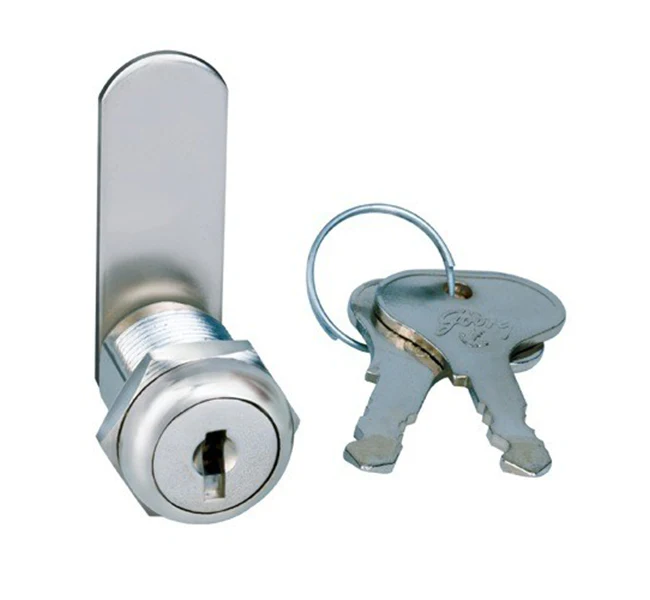
Cam Lock Systems

One of the most valued features of cam lock systems is their ability to significantly reduce installation time. The intuitive locking mechanism allows components to be joined quickly, making them ideal for both professional assembly lines and individual projects. This efficiency helps improve productivity and ensures smooth workflow without compromising quality.

Secure and Reliable Results

Cam lock systems are designed to provide secure fastening that maintains strength over time. Once engaged, the locking mechanism holds components tightly in place, minimizing movement and enhancing overall safety. This dependable performance makes them suitable for furniture, cabinets, and modular structures where stability is essential. Engineering discussions sometimes repeat what is a camlock in technical explanations.

Common Applications

Cam lock systems are commonly used in furniture manufacturing, ready to assemble products, shelving units, wardrobes, and office installations. Their versatility and ease of use make them a practical choice across multiple assembly environments.

Installation Steps Overview

Installing cam lock systems involves a straightforward process that enhances assembly efficiency. First components are aligned precisely to ensure proper fit. Next cam locks are inserted into pre drilled slots. The locking mechanism is then engaged by turning the cam until a tight secure connection is achieved.

Additional Benefits

Beyond speed and strength cam lock systems also offer excellent reusability allowing components to be disassembled and reassembled without damage. This feature is particularly valuable in modular furniture designs where flexibility is important. It also supports cost effective assembly and long term usability.

Maintenance Tips

Cam lock systems require minimal maintenance making them highly convenient for long term use. Regular checks to ensure proper alignment and tightness help maintain optimal performance. Keeping components clean and free from debris further ensures smooth operation.

Final Insight

Cam lock systems continue to be a preferred choice for efficient assembly due to their simplicity strength and adaptability. They support modern furniture and structural designs by ensuring consistent performance and long lasting reliability. They remain an ideal solution for fast secure assembly needs.

Trusted Square Body Chevy Parts Supplier For Restoration Enthusiasts

Restoring classic square body trucks has become a beloved pursuit for automotive enthusiasts who value both heritage and performance. A trusted supplier of high-quality parts plays a pivotal role in turning restoration dreams into reality. With a comprehensive selection of components, these suppliers make it easier than ever to preserve the charm, functionality, and authenticity of these iconic vehicles. Finding reliable square body truck parts helps bring older vehicles back to life with improved functionality and long-lasting value.

Why Quality Parts Matter

  • Authentic Restoration: Genuine-fit parts ensure that each restoration maintains the original character of the vehicle.
  • Enhanced Performance: Using reliable components improves reliability, handling, and driving enjoyment.
  • Long-Term Durability: High-quality parts withstand the test of time, reducing the need for frequent replacements.

Extensive Selection for Every Project

  • Engine Components: From vital internal mechanisms to supporting accessories, enthusiasts find everything needed to keep the heart of the truck running smoothly.
  • Suspension and Steering: Precision-engineered components ensure a smooth, controlled ride while preserving the original driving experience.
  • Body and Trim: Panels, seals, and finishing touches allow restorers to achieve a flawless exterior, capturing the truck’s classic style.
  • Interior Accessories: Seats, dashboards, and detailed trim pieces help recreate the comfort and charm of the original cabin.

Benefits for Restoration Enthusiasts

  • Ease of Access: A wide-ranging inventory saves time and effort, allowing restorers to focus on craftsmanship instead of searching for rare components.
  • Expert Guidance: Knowledgeable suppliers provide valuable advice, helping enthusiasts make informed choices for optimal results.
  • Custom Solutions: Many suppliers offer tailored options for unique projects, enabling restorers to achieve personalized perfection.

Supporting Passionate Communities

  • Shared Enthusiasm: Restoration projects often foster connections between enthusiasts, and reliable parts suppliers strengthen these communities by keeping projects on track.
  • Educational Opportunities: Access to quality components encourages learning about the mechanics, history, and design of square body trucks.
  • Celebration of Heritage: Using trusted parts preserves the legacy of these vehicles, allowing restorers to showcase their work with pride.

Ensuring Successful Restorations

  • Consistency and Reliability: Dependable parts reduce frustration and allow restorers to maintain project momentum.
  • Attention to Detail: Precision-fit components ensure each restoration captures the authentic look and feel of the original truck.
  • Long-Term Satisfaction: Enthusiasts experience pride and enjoyment knowing their restored truck is equipped with parts built to last.

A Partner for Every Restoration Journey

From first-time restorers to seasoned experts, having a dependable parts supplier transforms the restoration process into a rewarding and enjoyable experience. By providing high-quality components, expert guidance, and a wide selection, these suppliers empower enthusiasts to honor the legacy of square body trucks while achieving exceptional results.

Every project becomes a celebration of craftsmanship, passion, and automotive history, making each restored truck a shining testament to dedication and skill.

Dog Food Bag Sizes For Single Homes And Families

Selecting the right dog food bag size is an essential part of ensuring your furry friend stays healthy and happy. The right portion not only keeps your dog well-fed but also prevents waste and maintains the food’s freshness. Understanding the options available can make feeding routines much easier for both single pet owners and families.

Small Bags for Single-Pet Households

For households with one dog, smaller dog food bags are often ideal. They offer several benefits:

  • Freshness: Smaller bags reduce the time the food sits after opening, keeping it fresher and more nutritious.
  • Ease of Storage: Compact bags are easier to store in cabinets, pantries, or small kitchens.
  • Portion Control: They help prevent overfeeding by providing manageable amounts for daily meals.
  • Variety: Single-pet owners can try different types of food without committing to a large quantity, allowing for dietary experiments or flavor changes.

Medium Bags for Growing Needs

Some single homes or small families may benefit from medium-sized bags. Curious shoppers explore how big is a 5 lb bag of dog food to compare different brands and determine the best value option. These are perfect for:

  • Moderate Consumption: Ideal for dogs with higher energy levels or slightly larger breeds.
  • Balanced Freshness and Value: Medium bags offer a good compromise between cost savings and food longevity.
  • Shared Meals: Households with two pets of similar size can share a medium bag efficiently.

Large Bags for Families and Multiple Dogs

Families or homes with multiple dogs often find larger dog food bags most convenient. Advantages include:

  • Cost-Effective: Purchasing in bulk can reduce the overall cost per meal.
  • Reduced Shopping Frequency: Large bags last longer, saving time on frequent trips to restock.
  • Consistency: Ensures all pets receive the same high-quality nutrition without switching bags frequently.
  • Convenient Storage Solutions: Many large bags are designed to be resealable, maintaining freshness over extended periods.

Tips for Choosing the Right Bag Size

Selecting the right size depends on your dog’s eating habits, breed, and lifestyle. Consider these points:

  • Daily Feeding Amounts: Calculate how much your dog eats per day to avoid over-purchasing.
  • Shelf Life: Check the recommended storage time once a bag is opened to keep food safe and tasty.
  • Storage Space: Ensure you have adequate room to store larger bags without compromising freshness.
  • Flexibility: Keep in mind any future changes in your dog’s diet, activity level, or household size.

Final Thoughts

Choosing the right dog food bag size can make a significant difference in your pet’s health and the convenience of your feeding routine. Small bags suit single-dog households looking for freshness and variety, medium bags are perfect for moderate needs, and large bags work well for families or multi-dog homes seeking value and convenience. By considering your dog’s dietary requirements, storage options, and daily consumption, you can provide a satisfying and stress-free feeding experience.

Investing time in selecting the correct bag size ensures your dog enjoys every meal while keeping your household organized and efficient. Properly chosen, the right bag size supports both nutrition and convenience, making mealtime enjoyable for everyone involved.

How to Spot a Fake Pre-Owned Luxury Watch (Even If You Don’t Speak “Horology”)

Buying a pre-owned luxury watch isn’t shopping. It’s investigation.

And if you treat it like investigation, you’ll avoid most of the pain people quietly swallow after they wire money for a “deal” that turns out to be a well-lit fraud.

Hot take: if the story is cleaner than the watch, be suspicious.

A lot of counterfeits come wrapped in confidence. Crisp listing photos. A “full set.” A seller who answers fast but never answers *directly*. The real giveaway is usually narrative friction: the watch says one thing, the paperwork says another, and the seller says, “Don’t worry, it’s normal.” For more insight into trusted luxury authentication and retail standards, see Bramleys Luxury Watches & Handbags Dubai.

No, it isn’t.

The forensic mindset (friend-to-friend version)

Luxury Watche

Look, you don’t need to be an expert. You need to be annoying in the right way.

Ask for more photos than feels polite. Ask for the weird angles. Ask for the serial *and* where it is. Ask why the watch was serviced and by whom. Then wait. A legit seller doesn’t panic when you ask normal verification questions; they usually seem relieved you’re not a time-waster.


One-line rule that saves people:

If you feel rushed, you’re being managed.

Documentation: the “boring” stuff that catches most fakes

Paper is easy to fake, sure. But it’s also easy to catch when it’s fake, because counterfeiters aren’t consistent.

You’re looking for alignment across four things:

– Warranty card / certificate data

– Serial number format and placement

– Model reference consistency

– Service history that matches the watch’s age and condition

Now, this won’t apply to everyone, but if you’re buying anything remotely modern and the seller can’t produce *any* service or purchase trail, I get cautious fast. Even one legitimate service receipt, proper letterhead, clear watch reference, date, shop identity, does more work than a stack of generic “authentication” cards.

A quick reality check on “papers”

Misspellings, odd fonts, and muddy printing aren’t quirky. They’re tells. Also watch for dates that don’t make sense (a warranty dated before a model release, for example). Those mistakes happen in fakes more than people want to admit.

Serial numbers & hallmarks: no tools needed, just discipline

Serial verification isn’t mystical. It’s pattern recognition.

Serials should have the right typography, spacing, and engraving depth for the brand and era. Sloppy engraving, inconsistent font weights, or characters that look “laser-burned” on a piece that should be sharply cut? That’s a pause.

Hallmarks are even more revealing on precious metal pieces. Real hallmarks tend to be placed with intent, clean impressions, correct symbols, and consistent depth. Fakes often get the symbol *close* but not quite right (and “not quite right” is the whole game).

Here’s the thing: a real watch usually has identifiers that corroborate each other. A fake often has identifiers that merely exist.

Dial, hands, and the stuff counterfeiters still mess up

Some people obsess over the movement and ignore the dial. I’m the opposite. The dial is where human eyes live.

What I’m scanning for:

– Printing sharpness (edges should look decisive, not fuzzy)

– Index alignment (markers should track cleanly with the chapter ring / minute track)

– Date window geometry (cutout size, centered numerals, correct font)

– Lume behavior (too green, too uniform, or too new for the claimed age is suspicious)

Patina is tricky. Honest aging looks uneven in believable ways. Fake “tropical” dials can look like someone spilled tea and called it history.

And yes, I’ve seen Frankenwatches that were technically “real parts”… just from five different watches. The dial is usually where the lie leaks.

On-wrist checks that reveal a lot in 30 seconds

This part is underrated because it feels unscientific. It isn’t. Your hands pick up what your eyes miss.

Crown & winding feel

A quality crown threads with confidence. It doesn’t grind. It doesn’t wobble. It doesn’t feel like a loose screw in soft wood. When you wind, the resistance should feel deliberate.

If the crown sits crooked or doesn’t align with the case lines, I start looking for case or tube replacement, or something worse.

Movement “sound”

You’re not trying to be a watchmaker with your ear to the case. You’re listening for irregularity: stutters, scratchy rotor noise, weird rattles. A healthy automatic movement doesn’t sound like a spray paint can.

Caseback fit

A properly seated caseback looks flush. No gaps. No uneven seam. If you see tool marks plus a seller claiming “never opened,” that’s a fun contradiction.

Bracelet and end links

End links should sit tight to the case with clean, consistent gaps. Clasps should close with a solid snap, not a vague click. Cheap-feeling bracelets are one of the most common “tells” when the head of the watch is a higher-quality fake.

Sellers: the red flags are behavioral, not aesthetic

A good seller doesn’t need to sell you a vibe. They sell you verifiable facts.

I don’t care how many follower counts they have if they do the following:

– dodge direct questions about serials or service history

– push off-platform payment “to save fees”

– create urgency (“three other buyers waiting”)

– refuse return terms or make them mushy

Pressure is information.

Price anomalies (the trap everyone thinks they’re immune to)

If a price is dramatically under market, assume there’s a reason until proven otherwise. Could be stolen, could be counterfeit, could be undisclosed replacement parts, could be a made-up listing.

One useful data point: Swiss watch exports hit CHF 26.7 billion in 2023, an all-time high, according to the Federation of the Swiss Watch Industry (FH). High demand, lots of money sloshing around, and plenty of incentive for sophisticated fakes to keep getting better. Bargains don’t vanish, but they’re rarer than people pretend.

Provenance questions I actually ask (and I’m not shy about it)

Some sellers act like provenance questions are insulting. Good. That tells you something.

Ask:

– Who sold it originally? Dealer name?Country?

– When was the last service, and where?

– Are any parts replaced, dial, bezel, hands, bracelet links?

– Does the serial match the paperwork *and* the case?

– Any ownership gaps? (If so, why?)

If they answer with stories instead of specifics, I slow the entire deal down.

Non-instrument verification: building a coherent story

No loupe? No timegrapher? Fine. You can still validate coherence.

You want a tight narrative where each piece supports the next:

– The serial format matches the brand’s typical engraving style for that generation

– The dial furniture and typography match known reference examples

– The bracelet code (if applicable) matches the approximate production window

– The paperwork dates align with release and distribution realities

– The wear pattern makes sense (a watch “worn daily” shouldn’t look untouched unless the bracelet is also mysteriously fresh)

If one element strains believability, don’t negotiate with your own instincts. Escalate verification. Or walk.

When I walk away (and when you should request a refund)

If serials don’t match, or the seller refuses third-party authentication, I’m done. I don’t “see how it goes.” I don’t accept partial explanations. Counterfeits thrive in that gray zone where buyers want the story to be true.

If you already bought the watch and something doesn’t align:

– document everything immediately (photos, videos, messages)

– stop wearing it (condition disputes get messy)

– follow the platform’s return window to the letter

– ask for a full refund unless the seller can produce verifiable correction fast

A real seller will want the truth as much as you do. A fake seller will want time.

One last thought (opinionated, but earned): the best pre-owned watches don’t just look right. They *behave* right, they *document* right, and they *explain* right. If you can’t get all three, you’re not buying a watch, you’re buying uncertainty.

What a Legitimate SEO Service Should Be Able to Show You After 90 Days

If your SEO provider can’t show you a paper trail after 90 days, they’re not doing SEO. They might be doing “activity.” They might be doing vibes. But real SEO leaves fingerprints: changes in crawl behavior, measurable shifts in rankings, landing pages that start pulling their weight, and reports that tie outcomes to specific work.

Now, this won’t apply to everyone, but 90 days is usually enough time to see momentum—not full domination. If someone promised you “page one for everything” by day 90, you were sold a fantasy.

One-line truth:

Momentum is the product.


 The 90day window: what it can (and can’t) prove

Here’s the thing: Google rarely rewards brand-new changes instantly, and competitive spaces move like glaciers. But 90 days does reveal whether an SEO team has a plan, whether that plan is technically competent, and whether the site is responding.

What you can validate in 90 days:

– Are technical fixes being crawled and reflected in index coverage?

– Are rankings moving in clusters (topic-wide), not random single keywords?

– Are the pages you optimized actually earning more clicks and better engagement?

– Is reporting consistent, time-stamped, and sourced—or does it look like a prettied-up slideshow?

What you usually can’t prove cleanly in 90 days:

– Full revenue impact in long consideration cycles

– The final ceiling of competitive keyword sets

– Authority-driven gains if link acquisition is slow or conservative

And yes, sometimes the site’s already a mess. If the first month is spent untangling index bloat and redirects, the “results” might look quiet even though the foundation work is huge. I’ve seen that story more than once. For more information on SEO strategies and best practices, you can visit their Official website.

SEO Services

 What “SEO momentum” actually looks like (not the fairy-tale version)

Momentum isn’t a single spike in traffic that disappears next week. It’s trend consistency.

You should see at least a few of these patterns forming:

1) Organic traffic trends that make sense

Not just “up,” but up on the right pages, for the right queries, in a way that aligns with what was changed.

2) Ranking movement by intent category

If your provider celebrates that you moved from position 78 to 34 for a random informational term, that’s… nice. But I care more about whether your commercial and mid-funnel terms are gaining visibility, because those are the ones that change pipeline.

3) On-page engagement lifts you can connect to specific edits

Better titles and meta descriptions should raise CTR. Cleaner internal linking should increase pages per session. Improved content structure often lifts scroll depth and time on page.

You’re not hunting “perfect metrics.” You’re hunting coherent cause and effect.


 Reporting that isn’t smoke and mirrors

A legitimate SEO report reads like something you could audit.

At minimum, you should get:

– Data sources (Google Search Console, GA4, Ahrefs/Semrush, server logs if available)

– Baselines (what were we at on day 1?)

– A changelog (what did you actually do?)

– Outcomes mapped to those changes (what moved, where, and when?)

Look, dashboards are fine. But dashboards without narrative are how agencies hide. I want the story and the numbers.


 The core “momentum” metrics that should be in every 90day report

Not a giant list. Just the ones that tend to expose reality:

Organic clicks & impressions (GSC) at the page and query level

Average position trends (but interpreted carefully—averages lie)

CTR by page/query after title/meta work

Index coverage & crawl anomalies (errors, “Discovered – currently not indexed,” canonical weirdness)

Engagement signals (time on page, scroll depth, key events) tied to organic landing pages

Conversions (even micro-conversions count early: form starts, demo clicks, add-to-carts)

And if they “normalize” data (seasonality, launch effects, algorithm updates), they should explain how. If methodology changes midstream, it should be disclosed. Anything else is just number theater.


 Rankings are not results. Prove the traffic.

I’m opinionated on this because I’ve watched too many companies get hypnotized by rank trackers while revenue stays flat.

If rankings improved, your provider should be able to show:

Which landing pages gained positions

Which queries drove the change

How clicks and sessions changed for those pages

Whether those sessions behaved like qualified users (not 2-second bounces)

Otherwise, it’s just “we went up.” Up for what? Up where? Up in a way that matters?

A decent progression looks like this: rankings lift → impressions rise → CTR improves (if snippets are good) → sessions increase → engagement stabilizes → conversions begin to tick up. Not every page follows that path, but enough pages should.


 On-site improvements that prove the work wasn’t cosmetic

You can’t “content” your way out of technical problems forever. In 90 days, a real SEO team should show evidence that the site itself is becoming easier to crawl, faster to use, and clearer to understand.

Some teams will talk about “crawl budget” like it’s a magic spell. Fine. Show me the receipts.

A few signals I’d expect to see moving in the right direction:

– Reduced crawl errors and cleaner indexation patterns

– Improved internal linking depth to priority pages

– Page speed improvements that actually affect user experience (not just lab scores)

And yes, Core Web Vitals can be slow to reflect. But performance work should still be measurable.


 A specific benchmark (with a real source)

Google’s own research found that as page load time goes from 1s to 3s, the probability of bounce increases by 32% (Think with Google, “Find out how you stack up to new industry benchmarks for mobile page speed”). That’s not an SEO myth; that’s user behavior.

So if your SEO provider is ignoring performance while lecturing you about “content velocity,” I’d be skeptical.


 Quick check: the on-site metrics that actually help you judge progress

A short list, because this is one of those moments where bullets do the job:

LCP / INP / CLS trends (field data if you can get it)

Time to First Byte (TTFB) for key templates

Organic landing page bounce rate and scroll depth (paired together tells a better story)

Event completion rates (book a call, add to cart, pricing page clicks, etc.)

SERP CTR after snippet optimization

In my experience, pairing SERP CTR with on-page engagement is the fastest way to spot “wrong intent” content. Lots of clicks + immediate exits usually means the page promised one thing and delivered another.


 “Okay, but did SEO make money?” (the part everyone cares about)

Revenue attribution is messy. Anyone pretending it’s simple is either inexperienced or selling you something.

Still, by day 90, you should be able to see directional revenue impact, especially if the business has enough traffic volume and the conversion path isn’t six months long.

What legitimate revenue reporting tends to include:

– Organic revenue and conversion rate trends (GA4 / backend reporting)

– Assisted conversions and multi-touch paths (because last-click is brutal to SEO)

– Conversion lift tied to specific landing pages and intent groups

– Clear assumptions around attribution windows and lag time

If they can’t explain their attribution model in plain language, it’s not a model. It’s a shield.


 A messy, real-world roadmap: what worked, what didn’t, what’s next

This is where you separate a strategist from a task-doer.

A proper 90‑day roadmap should read like: We did X, Y happened, so now we’re doing Z.

Example of what I’d want to see (and yes, this is the kind of thinking you should demand):

Content work:

Some pieces win early because they match obvious intent and have weak competition. Others stall because the SERP is dominated by giants, or because the page is thin, or because internal linking is weak. That’s normal. The next step is doubling down on pages with rising impressions but weak CTR, and shoring up pages with good CTR but poor engagement (those are usually misaligned or under-delivering).

Links and authority:

If link acquisition happened, you should see diversity and relevance—not a suspicious pile of low-quality domains. Also: links to “lower-authority pages” on good sites can still be valuable, but a smart team will prune junk and aim for placements that drive referral traffic and credibility.

Technical:

If technical cleanups were done, show before/after screenshots and logs: redirect maps, canonical fixes, sitemap changes, schema validation, template updates. I don’t want “we improved technical SEO.” I want what changed and what it affected.

One-line expectation:

The plan should evolve based on what the data says, not what the retainer says.


 Vetting an SEO partner: accountability isn’t optional

Ask for a 30/60/90 day plan with acceptance criteria. Not “we’ll optimize stuff,” but real checkpoints.

A good SEO partner can tell you:

– what success looks like at day 30 (foundation + early movement),

– what should be trending by day 60 (CTR, rankings, landing page stability),

– what should be evident by day 90 (momentum, clear winners/losers, next bets).

Also, a RACI chart (who owns what) is underrated. If approvals stall or dev tickets languish, SEO “fails” even when the strategy is right. Blame games thrive in vague scopes.


 When you should pivot (yes, even if you like the agency)

Some red flags are subtle. Others are neon.

Pivot-worthy signals:

– Two consecutive reporting periods with flat or negative trends and no credible diagnosis

– KPIs that keep changing because the old ones weren’t met

– Data that doesn’t reconcile between GSC and GA4 (and nobody can explain why)

– “Wins” that are all vanity: impressions up, clicks flat, conversions absent

– No changelog, no testing, no learning loop—just output

Look, SEO is hard. But confusion is not a strategy.

If the work is real, you’ll be able to trace it. If you can’t trace it, you’re paying for plausible storytelling.

Compact Salon Stations Maximize Space Without Compromising Functionality

In modern salons where every square foot matters, compact Salon Stations have become essential for creating efficient, stylish, and highly functional workspaces. Designed with smart space utilization in mind, these stations help professionals maintain productivity while ensuring a comfortable and seamless experience for clients. By combining thoughtful design with practical features, compact salon stations prove that limited space can still deliver exceptional performance.

Smart Design For Efficient Workflows

Compact salon stations are crafted to support smooth workflows without crowding the workspace. Their streamlined structure allows stylists to access tools and products quickly, minimizing unnecessary movement and saving time.

  • Space-efficient layouts reduce clutter and improve mobility
  • Integrated storage keeps tools organized and within reach
  • Ergonomic design enhances comfort during long working hours
  • Strategic placement improves interaction between stylist and client

These features contribute to a well-organized environment where every task can be performed with ease and precision.

Multi-Functional Features That Add Value

One of the biggest advantages of compact salon stations is their ability to offer multiple functionalities within a small footprint. They are designed to accommodate various styling needs while maintaining a neat and professional appearance.

  • Built-in compartments for tools, products, and accessories
  • Adjustable elements to suit different services and preferences
  • Mirror integration to optimize space and improve visibility
  • Easy-to-clean surfaces for better hygiene and maintenance

Such versatility ensures that stylists can perform a wide range of services without requiring additional space or equipment.

Enhancing Client Comfort And Experience

Compact salon stations are not just about saving space they also play a key role in enhancing the overall client experience. A well-organized and visually appealing station creates a welcoming atmosphere that clients appreciate.

  • Clean and uncluttered setups promote relaxation
  • Efficient layouts reduce waiting time during services
  • Comfortable positioning improves communication with clients
  • Modern aesthetics elevate the overall salon ambiance

When clients feel comfortable and valued, it naturally leads to higher satisfaction and repeat visits.

Perfect For Small And Busy Salons

Compact salon stations are especially beneficial for salons operating in limited spaces or high-traffic environments. Their ability to maximize functionality without occupying too much room makes them an ideal choice for growing businesses.

  • Optimize floor space for additional workstations
  • Allow better movement even during peak hours
  • Support scalability as the business expands
  • Maintain a professional look in smaller interiors

These advantages help salon owners make the most of their available space while ensuring smooth daily operations.

A Balance Of Style And Practicality

Modern compact salon stations are designed to blend aesthetics with functionality. Their sleek and contemporary designs complement various interior styles, adding to the overall visual appeal of the salon.

  • Minimalist designs create a clean and modern look
  • Durable materials ensure long-lasting performance
  • Neutral finishes suit diverse décor themes
  • Thoughtful detailing enhances both form and function

This balance ensures that salons can maintain a polished appearance without sacrificing practicality.

Conclusion

Compact salon stations are a smart investment for any salon aiming to maximize space while maintaining high standards of efficiency and client satisfaction. With their innovative design, multi-functional features, and stylish appeal, they transform even the smallest areas into productive and inviting workspaces. By choosing compact solutions, salons can achieve a perfect harmony between space optimization and exceptional service delivery.

Offer Trusted Plant Information Embedded Into Any Retail Platform

In today’s digital shopping environment, consumers are increasingly seeking reliable information alongside their purchasing options. Embedding trusted plant information directly into retail platforms enhances the shopping experience, builds confidence, and encourages environmentally conscious choices. Retailers can leverage this approach to educate, inspire, and engage customers, creating a seamless and rewarding journey from discovery to purchase.

Enhance Customer Confidence with Accurate Plant Information

Providing accurate plant data helps consumers make informed decisions. When shoppers understand the care requirements, growth patterns, and ideal environments for plants, they are more likely to feel confident in their choices. Key benefits include:

  • Clear guidance on watering, sunlight, and soil preferences
  • Tips for long-term plant health and growth success
  • Alerts on potential compatibility issues with pets or household settings
  • Advice for seasonal adjustments and optimal care routines

By equipping customers with reliable information, retailers reduce uncertainty and foster trust, which can significantly increase customer satisfaction and repeat business.

Improve Engagement Through Interactive Features

Embedding plant knowledge within a retail platform also encourages active engagement. Interactive elements such as plant care guides, growth trackers, and maintenance reminders can transform shopping into a participatory experience. Efficient use of Plant data API reduces the time researchers spend collecting and verifying plant information manually. Features may include:

  • Step-by-step tutorials for planting and care
  • Visual growth timelines to track development
  • Personalized recommendations based on user preferences
  • Interactive quizzes to match consumers with ideal plant varieties

These interactive tools not only educate but also delight customers, creating a more immersive and enjoyable shopping environment.

Boost Sales with Informed Recommendations

Shoppers are more likely to purchase products when they feel informed and supported. Retail platforms that integrate trusted plant information can drive sales by presenting curated suggestions and complementary items. Benefits of this approach include:

  • Highlighting plant pairings for aesthetic or ecological harmony
  • Suggesting tools and accessories for optimal plant care
  • Encouraging larger or repeat purchases through knowledge-based confidence
  • Promoting seasonal selections with tailored care advice

Educated consumers are often empowered to make additional purchases that enhance their experience, contributing to both customer satisfaction and revenue growth.

Strengthen Brand Loyalty Through Trust and Expertise

When a retail platform provides reliable plant information, it positions itself as a trusted advisor rather than just a seller. This expertise encourages long-term relationships with customers. Key advantages include:

  • Fostering a sense of community and shared interest in plant care
  • Increasing trust through consistent, accurate guidance
  • Encouraging social sharing of positive experiences and plant successes
  • Establishing the platform as a go-to destination for both beginners and experienced plant enthusiasts

Final Thoughts

Embedding trusted plant information into retail platforms is a transformative strategy that benefits both consumers and retailers. By delivering accurate guidance, interactive features, and curated recommendations, platforms can create a shopping experience that is educational, enjoyable, and confidence-building. Retailers who embrace this approach not only drive sales but also cultivate loyal customers who view the platform as an essential resource for plant care and inspiration.

Trusted real estate agent delivering smooth property transactions

In today’s competitive property market, working with a trusted real estate agent delivering smooth property transactions can make all the difference. Whether buying, selling, or investing, clients seek a seamless experience guided by expertise, transparency, and dedication. A professional real estate agent ensures that every step is handled with precision, creating confidence and clarity throughout the journey.

Makelaar Blokker delivering smooth property transactions understands the importance of communication, market insight, and strategic negotiation. By combining industry knowledge with client-focused service, they turn complex processes into stress-free experiences.

Comprehensive Market Knowledge and Strategic Guidance

One of the key strengths of a reliable real estate agent is in-depth market understanding. From property valuation to neighborhood trends, accurate data empowers clients to make informed decisions.

Key advantages include:

  • Detailed property market analysis
  • Accurate pricing strategies for buyers and sellers
  • Insight into emerging investment opportunities
  • Guidance on legal documentation and compliance
  • Awareness of local market demand and seasonal shifts

With strategic planning and tailored advice, clients gain a competitive edge in dynamic real estate environments.

Makelaar Blokker

Personalized Support for Buyers and Sellers

Every property transaction is unique. A trusted real estate agent delivering smooth property transactions takes time to understand client goals, preferences, and timelines. This personalized approach builds long-term relationships and ensures results aligned with expectations.

For buyers, agents simplify property searches, schedule viewings, and negotiate favorable terms. For sellers, they create effective marketing plans, highlight property strengths, and attract qualified buyers. Through attentive service and proactive communication, clients feel supported at every milestone.

Efficient Transaction Management and Coordination

Property transactions involve multiple steps, including inspections, documentation, negotiations, and closing procedures. A professional agent coordinates each phase to prevent delays and ensure compliance.

Efficient transaction management includes:

  • Organizing property inspections and evaluations
  • Coordinating with legal and financial professionals
  • Preparing and reviewing necessary documentation
  • Monitoring timelines and meeting deadlines
  • Resolving potential challenges proactively

By managing these critical components, the agent minimizes stress and maximizes efficiency, resulting in smooth property transactions from start to finish.

Strong Negotiation Skills for Optimal Outcomes

Negotiation plays a vital role in successful property deals. A trusted real estate agent leverages experience and market data to secure the best possible terms for clients. Their ability to communicate effectively and advocate confidently ensures mutually beneficial agreements.

Through strategic negotiation and ethical practices, clients achieve favorable pricing, flexible conditions, and clear contractual terms. This expertise transforms potentially complex discussions into positive, productive outcomes.

Building Confidence Through Transparency and Integrity

Trust is the foundation of every successful property transaction. A reputable real estate agent prioritizes honesty, transparency, and open communication. Clients receive clear explanations, realistic expectations, and regular updates throughout the process.

By focusing on integrity and client satisfaction, a trusted real estate agent delivering smooth property transactions creates lasting value beyond a single deal. The result is not just a completed transaction, but a rewarding and confident property experience built on professionalism and excellence.

What’s New With Australia’s Support at Home Aged Care Reforms

If Support at Home doesn’t reduce the “postcode lottery” in aged care, we’ve missed the point.

Not by a little, either. The whole reform package only matters if it makes care easier to access, easier to understand, and materially better once it arrives at someone’s front door.

Here’s the plain-English version: Australia is reshaping in-home aged care to be more person-led, more transparent, and (ideally) more sustainable. The details get technical fast, though, because funding, assessment, workforce capability, and digital systems are all tangled together.

One line that matters: the reforms are trying to move aged care from “program-driven” to “life-driven.”


The real purpose (and the less glamorous one)

On the friendly side, the reforms are about helping older people stay at home with dignity, routine, and control. Most people want that. Families want that too, until they’re up at 2 a.m. juggling medication prompts, falls risk, and service rosters that keep changing.

On the policy side, it’s also about system pressure. Hospitals, residential care waitlists, and workforce shortages don’t magically fix themselves. Support at Home is meant to make home care work better so the whole sector doesn’t buckle.

In my experience, the best reforms don’t just add services, they reduce friction. Less chasing. Less repeating your story. Less “sorry, that’s not covered.” If you’re curious about whats new with support at home, it’s worth a look before making any care decisions.


Key features you’ll actually feel day-to-day

Some of this will sound abstract until you’re the one trying to coordinate it.


A stronger push toward person-centred care

Not “person-centred” as a slogan, but as a design principle: tailoring supports to goals and preferences, not just basic tasks. That’s a shift in mindset. It changes how care plans are written and how providers justify what they deliver.


Cultural safety and community connection (not optional extras)

For a lot of older Australians, especially people from culturally and linguistically diverse backgrounds, Aboriginal and Torres Strait Islander communities, or tight-knit faith communities, care that ignores culture isn’t neutral. It’s worse care.

Community integration isn’t just feel-good either. It’s protective. It reduces isolation, improves adherence to health routines, and gives families breathing space.


Training and capability expectations for the workforce

Care quality rises and falls with the worker who shows up. Full stop.

So, yes: the reforms lean hard into workforce development, skills, consistency, and the ability to handle complexity (dementia support, chronic disease monitoring, communication challenges, mental health, family dynamics…the list goes on).


Funding changes: where the anxiety lives

Look, funding reform is where providers start doing late-night spreadsheets.

As funding becomes more targeted and outcomes-driven, providers have to prove value more clearly. That often means new reporting, new technology, new compliance routines, and more careful service design. None of those are free.

Now, this won’t apply to everyone, but smaller providers often feel the squeeze first. They don’t have massive back-office teams to absorb administrative load. Larger providers have scale, but they can be slower to adapt and less personal. Trade-offs everywhere.

What this changes for care delivery:

More pressure to allocate minutes and budgets precisely (which can be good for transparency, but annoying when needs fluctuate week to week)

Higher competition to win and retain clients

A clearer divide between providers who innovate and those who stagnate

And yes, there’s a risk: if funding settings aren’t calibrated well, providers may focus on what’s easy to measure rather than what improves a person’s life.


Personalized care isn’t just “nice”, it’s operationally smart

When care is truly individualized, seniors tend to stay more independent for longer. That reduces crisis events, emergency presentations, and carer burnout.

It also changes the emotional texture of care. People feel seen. They complain less (not never, but less). They’re more likely to trust the worker, share early symptoms, and accept support.

I’ve seen personalized routines do more than any fancy program: the same shower time, the same support worker where possible, meals that reflect culture and preference, and little rituals that anchor the day. That’s not fluff. That’s stability.

One-line truth:

Consistency is a clinical intervention.


Innovative service delivery: tech, but not tech-for-tech’s-sake

Remote monitoring and telehealth are the headliners, and they’re genuinely useful when deployed properly.

Remote monitoring can track basics like movement, sleep patterns, weight, blood pressure, or medication adherence signals. Telehealth reduces travel burdens and keeps clinicians connected to people who’d otherwise delay care.

Here’s the thing, though: technology only helps if someone is actually watching, interpreting, and responding. A dashboard nobody checks is just expensive decor.


A quick data point (because this isn’t all vibes)

The Australian Institute of Health and Welfare reports that around 9 in 10 older Australians have at least one chronic condition (AIHW, Older Australians, regularly updated). That reality is why home monitoring and proactive care coordination are becoming central, not optional.


What families should know (the practical stuff)

Families often think reforms are something “the system” does. Then suddenly you’re the informal care coordinator, interpreter, advocate, and emotional anchor.

Expect these themes to keep coming up:

1) More involvement in planning

You’ll likely be pulled into goal-setting, risk decisions, and service preferences. That can be empowering…or exhausting, depending on your bandwidth.

2) More transparency demands more literacy

When services and budgets are clearer, you also need to understand them. Ask providers to explain options plainly. If they can’t, that’s a signal.

3) Emotional support isn’t separate from care quality

A technically adequate service that leaves someone lonely, anxious, or culturally disconnected is failing in a quieter way. Don’t ignore that part.


Common concerns from seniors (and what actually helps)


Safety & security

Falls risk. Scams. Medication mistakes. Stranger danger. Privacy.

A workable approach usually blends home modifications, routines, and clear protocols. Emergency planning shouldn’t be a dusty document either. It needs to be understood, practiced, and updated after changes in health.

Privacy matters more than providers sometimes admit. Seniors should know who can see their information, what devices are installed, and how consent works (and they should be able to revoke it).


Access to services

This is where equity gets tested.

Barriers show up fast: language, digital literacy, transport, patchy local provider markets, and confusing service navigation. Cultural inclusivity isn’t a “diversity” project; it’s an access strategy.

Better caregiver training helps too. A culturally competent worker can prevent misunderstandings that otherwise snowball into refusal of care, family conflict, or unsafe workarounds.


Future trends: what the sector is drifting toward

You can feel the direction even before every policy detail lands.

Community integration will become the default expectation.

More partnerships with local health services, allied health, community groups, and social supports. Less “aged care sits over here by itself.”

Workforce development will get more formalized.

More structured training pathways, more specialization, and (hopefully) better retention strategies. If we keep treating care work as low-skill, the system will keep getting low-skill outcomes.

And yes, technology will keep creeping in. Quietly. Everywhere.


Navigating the new landscape (without losing your mind)

Some parts will be smoother. Some will be messy during transition. That’s normal.

If you’re supporting a parent or relative, I’d focus on three habits:

– Keep a running care journal (what worked, what didn’t, what changed)

– Treat cultural preferences as non-negotiable care requirements, not “nice requests”

– Push for clarity on budgets, inclusions, and response times when things go wrong

Reforms don’t automatically create good care.

Good care still takes vigilance, decent providers, and systems that reward the right things.