Day: October 10, 2023

Cash is King – A Guide to Liquidity Management

In the world of finance, the adage Cash is King couldn’t be more accurate. Liquidity, or the availability of cash and easily convertible assets, is the lifeblood of any organization, whether it is a small business or a multinational corporation. Proper liquidity management is essential for ensuring a company’s survival, growth, and stability. Liquidity management involves maintaining an optimal balance between current assets and current liabilities. In simpler terms, it is about having enough cash on hand to meet your immediate financial obligations. Here are some key aspects to consider – Cash Flow Forecasting – To effectively manage liquidity, you need to forecast your cash flows. This means predicting both the cash that will be coming in from sales, investments, or loans and the cash that will be going out for operating expenses, debt payments, and other obligations. Accurate forecasting helps you plan for periods of surplus and scarcity.

Working Capital Management – The working capital of a company is the difference between its current assets and current liabilities. Keeping a healthy working capital ratio ensures that you can pay off short-term obligations and invest in growth opportunities. A positive working capital position, where current assets exceed current liabilities, is a sign of good liquidity management.

Cash Reserves – Maintaining an emergency fund of cash reserves is crucial. It acts as a buffer to cover unexpected expenses or bridge temporary shortfalls. Financial experts often recommend having enough cash on hand to cover at least three to six months of operating expenses.

Optimizing Accounts Receivable and Payable – Extend payment terms with suppliers, but also collect receivables as quickly as possible. Efficient management of accounts receivable and payable can significantly improve cash flow.

Finance

Access to Credit – Establish credit lines with financial institutions, even if you don’t intend to use them regularly. They can be a valuable safety net during cash shortages or unexpected expenses.

Investing Surplus Cash – While maintaining a cash cushion is essential, excess cash should be invested wisely to earn returns. Short-term investments in low-risk, highly liquid instruments can ensure your money is not sitting idle.

Debt Management – Review your debt obligations regularly. If you have high-interest loans, consider refinancing to lower your interest expenses and free up cash.

Contingency Planning – Always have a plan in place for worst-case scenarios, such as a sudden economic downturn or a major industry disruption. Understanding your options in advance can help you respond swiftly and effectively.

Regular Monitoring and Reporting – Liquidity management is an ongoing process. Regularly monitor your cash flow, working capital, and other financial indicators. Set up reporting systems to keep a close eye on your financial health. Cash is King is more than just a saying; it is a fundamental principle of financial management. Liquidity management is about ensuring that your organization has the cash it needs to operate, grow, and thrive. By accurately forecasting cash flows, visit website optimizing working capital, maintaining cash reserves, and employing other strategies, you can achieve a robust and sustainable financial position. Remember that the key to success is not just having cash but managing it effectively to meet your short-term and long-term financial goals.
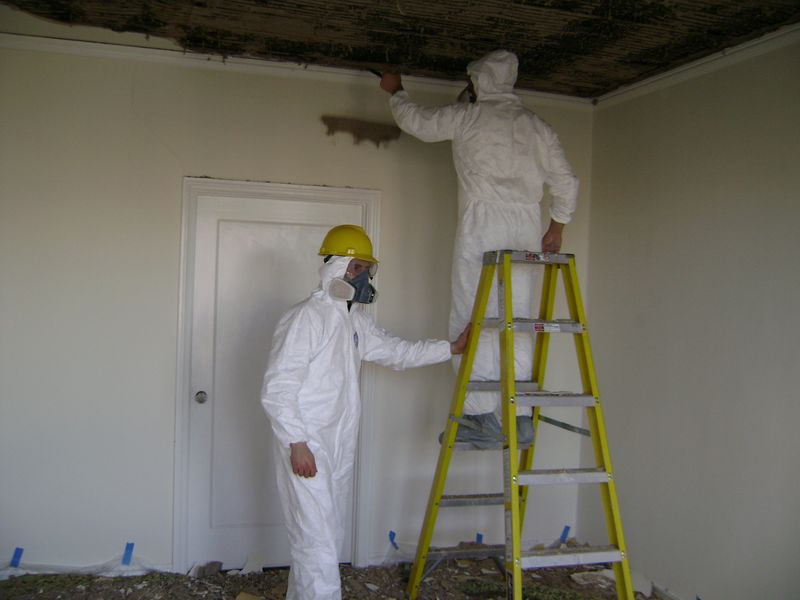
Mold Remediation Service Excellence – The Best Solution to Mold Infestations

Mold infestations can be a homeowner’s worst nightmare. Not only do they pose serious health risks, but they can also cause structural damage to your property. When confronted with a mold problem, it is essential to address it promptly and effectively. This is where mold remediation services come into play, offering excellence in tackling mold infestations. Mold is a common issue in many homes and buildings, thriving in damp and humid conditions. It can grow quickly, spreading its spores throughout your property, and releasing mycotoxins that can be harmful to your health. This makes mold remediation services vital in ensuring that mold is not only removed but also prevented from returning. The key to success in mold remediation is excellence, which is achieved through a combination of factors:

Mold Remediation Service

Expertise and Training – Professional mold remediation services employ experts who have received extensive training and certification in mold identification, removal techniques, and safety measures. These professionals understand the different types of mold, their growth patterns, and the best strategies to eradicate them without causing further harm.

Comprehensive Inspections – The first step in mold remediation is a thorough inspection of the affected area. Professionals identify the extent of the infestation and the source of moisture that is enabling mold growth. This step is crucial in developing a tailored remediation plan and Visit site.

Customized Remediation Plans – One size does not fit all when it comes to mold remediation. Experienced professionals develop customized plans based on the specific circumstances and extent of the infestation. They take into account the unique needs of each case, ensuring that the mold is completely eradicated.

Advanced Equipment – Mold remediation experts use specialized equipment to safely remove mold. This includes HEPA air filtration systems, containment barriers, moisture meters, and high-powered vacuums. The use of such equipment ensures that mold spores are not dispersed during the removal process, preventing further contamination.

Safety Protocols – Safety is paramount during mold remediation. Professionals follow strict safety protocols to protect both the occupants of the property and the workers themselves. This includes the use of personal protective equipment PPE and isolation of the affected area to prevent the spread of mold spores.

Preventative Measures – The best mold remediation services not only remove existing mold but also implement preventative measures to reduce the likelihood of future infestations. This may involve addressing underlying moisture issues, improving ventilation, and educating homeowners on how to maintain a mold-free environment.

Thorough Cleaning – Mold remediation is not just about removing visible mold it also includes cleaning and sanitizing affected surfaces. Professionals use antimicrobial agents to ensure that mold is completely eradicated, and affected areas are safe for habitation.

Environmental Responsibility – Many mold remediation services are committed to environmental responsibility. They use eco-friendly cleaning agents and disposal methods to minimize their impact on the environment while prioritizing human health.

Customer Satisfaction – Excellence in mold remediation is not only about the technical aspects but also the customer experience. The best services communicate clearly with clients, provide updates throughout the process, and ensure that their expectations are met.